






As sports organizations look to accelerate audience growth, many continue to focus on familiar levers – broadcast reach, scheduling, and promotional spend – assuming that greater exposure will translate into deeper engagement. Yet what is often overlooked is how fandom actually forms in today’s media environment, and where new demand is truly being created. In this Insights@Questrom piece, Kim R. Donlan, Lecturer of Marketing explores why sports growth increasingly begins outside the game itself, how cultural ecosystems – from streaming series to social media and athlete-driven narratives – are reshaping the fan acquisition pathway, and what organizations must do to turn cultural relevance into sustained engagement, loyalty, and long-term revenue.
Sports organizations have long focused on a familiar question: How do we get more people to watch? The answer used to be distribution. But today, the answer lies in looking at culture.
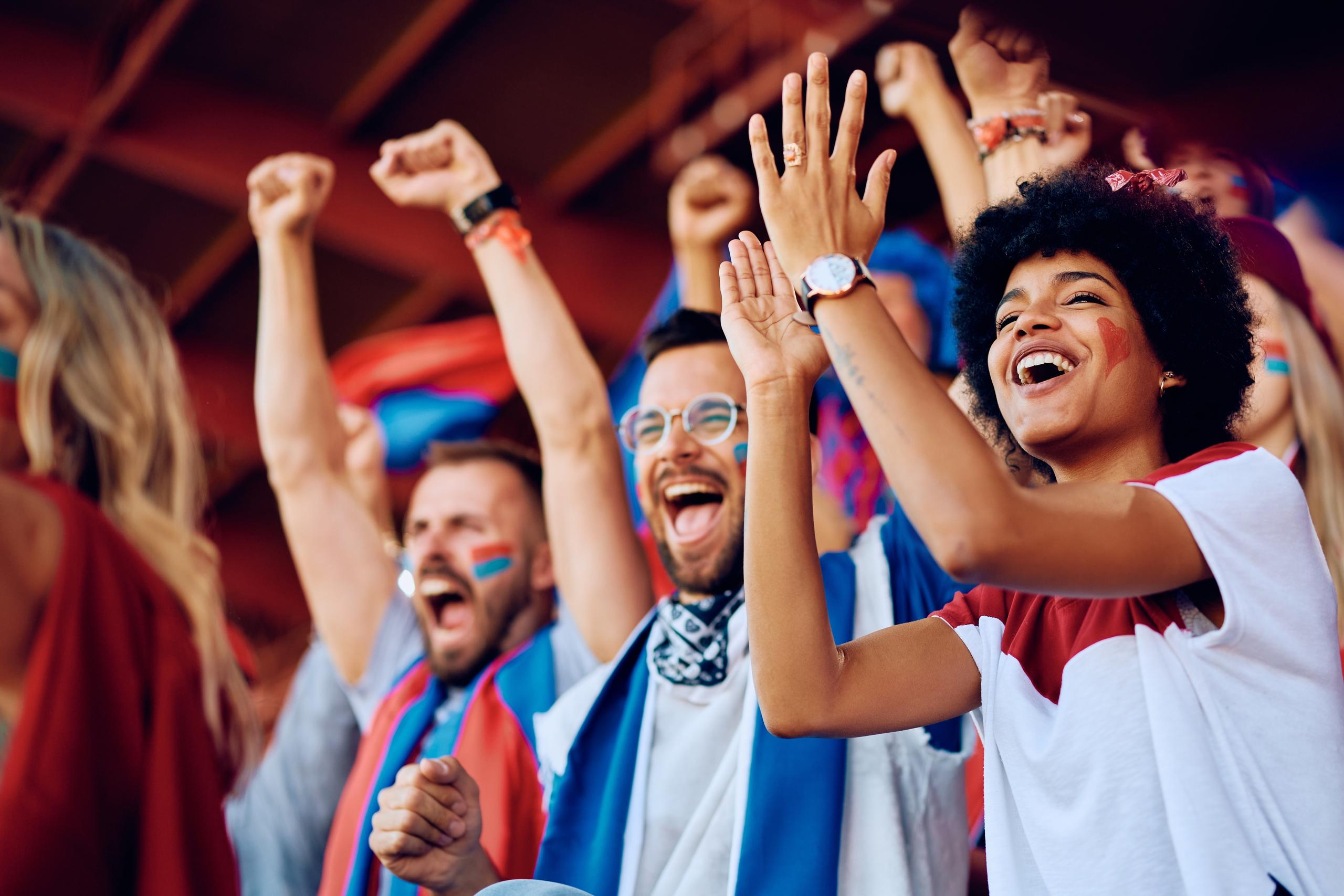
The fastest-growing audiences are not being acquired through broadcast reach, schedule changes, or promotional campaigns. They are being acquired through cultural moments like streaming series, celebrity influencers, social media storylines, and entertainment ecosystems that make sports relevant before a game is ever played. This is more than a media shift. It is a demand shift. Fandom is no longer built through exposure to competition alone. It is built through cultural meaning first and consumption follows. The strategic implication is clear: growth now begins outside the sport.
Culture Has Become the New Entry Point
Formula 1’s expansion in the United States illustrates the shift. After Netflix launched Drive to Survive, ESPN reported that the 2022 season averaged 1.21 million viewers per race, up 28% year over year and more than double the audience from 2018. U.S. races now sell out consistently, with the Miami Grand Prix drawing more than 240,000 fans over a single weekend. The racing did not change. The context did.
The series reframed Formula 1 as a character-driven drama built around rivalry, risk, and pressure. Viewers did not need technical knowledge to engage. Emotional investment came first. Expertise followed.
The popular gay hockey romance series, Heated Rivalry significantly increased hockey attendance and ticket sales. Ticket seller, SeatGeek reported a 20% increase in ticket sales coming from both hockey fans and a stronger demand from first-time game attendees.
In marketing terms, culture is doing the work of awareness, positioning, and emotional differentiation before the product experience begins.
Why Culture Converts
From a behavioral perspective, culture changes how consumers process sports:
- Narrative reduces complexity
- Stories make unfamiliar formats accessible.
- Parasocial relationships increase attachment.
- Behind-the-scenes access to celebrity and sport figures builds perceived personal connection.
- Social identity drives participation.
- When sports trend culturally, engagement signals belonging.
- Organic discovery lowers friction.
- Fans encounter sports through entertainment rather than intentional search.
The result is a different acquisition pathway. Consumers move from cultural awareness to product engagement—not the other way around.
The Economics of Cultural Growth
Olympics is averaging 20 million viewers – this is a lot of attention. Viewers are falling for the personal athlete’s stories. The growth opportunity lies not in maintaining existing fans, but in expanding the cultural perimeter around the sport. Attention alone is not value. The strategic challenge is conversion.
Organizations that treat cultural moments as publicity generate short-term spikes. Those that design for progression build fan lifetime value. The effective pathway could look something like this: Cultural exposure → Trial viewing → Digital engagement → Subscription → Merchandise → Live attendance
The leagues growing fastest are not reacting to culture. They are managing it. Three key steps to managing culture are:
- Continuous storytelling infrastructure.
- Access for streaming platforms and creators creates an ongoing narrative pipeline.
- Athlete-centered brand strategy
- Individual personalities function as acquisition channels, particularly for younger audiences.
- Integrated amplification
- Broadcast, social media, sponsorship, and commerce strategies extend cultural moments in real time.
- Broadcast, social media, sponsorship, and commerce strategies extend cultural moments in real time.
Across industries, consumers increasingly discover brands through culture—streaming content, creators, social conversation, and entertainment ecosystems—before they evaluate functional benefits. The strategic question for leaders is no longer: How do we promote what we offer? It is: How do we become part of what people are already paying attention to?
The organizations winning in sports understand a simple but powerful shift: fandom now begins before the game. When a league becomes part of culture, emotional connection develops first. Viewing becomes habitual. Engagement deepens. Revenue follows—from media rights and sponsorship to merchandise and live attendance.
In an attention-constrained marketplace, culture is not adjacent to the product. It is the growth strategy. And increasingly, the path to the stadium begins long before kickoff.